
Research & Reports
The state of modern workplace performance
Read time: 18 min

Author Name
Lorem ipsum dolor sit amet, consectetur adipiscing elit, sed do eiusmod tempor incididunt ut labore et dolore magna aliqua.
Overview
-
What the data reveals
Workplace analytics have evolved from static surveys to continuous measurement systems. Organizations now have access to real-time data on how spaces are used, how employees interact with their environment, and where inefficiencies exist.
The biggest shift is the move from assumption-based planning to evidence-based decision making. This requires not just collecting data, but understanding what it means in context and how it translates into actionable workplace strategies.
Traditional metrics like occupancy rates only tell part of the story. Modern measurement captures utilization patterns, movement flows, environmental conditions, and employee satisfaction to paint a complete picture of workplace performance.
Introduction
As organizations navigate the post-pandemic workplace landscape, the need for objective, data-driven insights has never been greater. This whitepaper examines the current state of workplace measurement and its impact on organizational decision-making.
Drawing on aggregated data from hundreds of measurement projects across multiple continents, we explore patterns in space utilization, employee behavior, and workplace performance that are reshaping how organizations think about their physical environments.

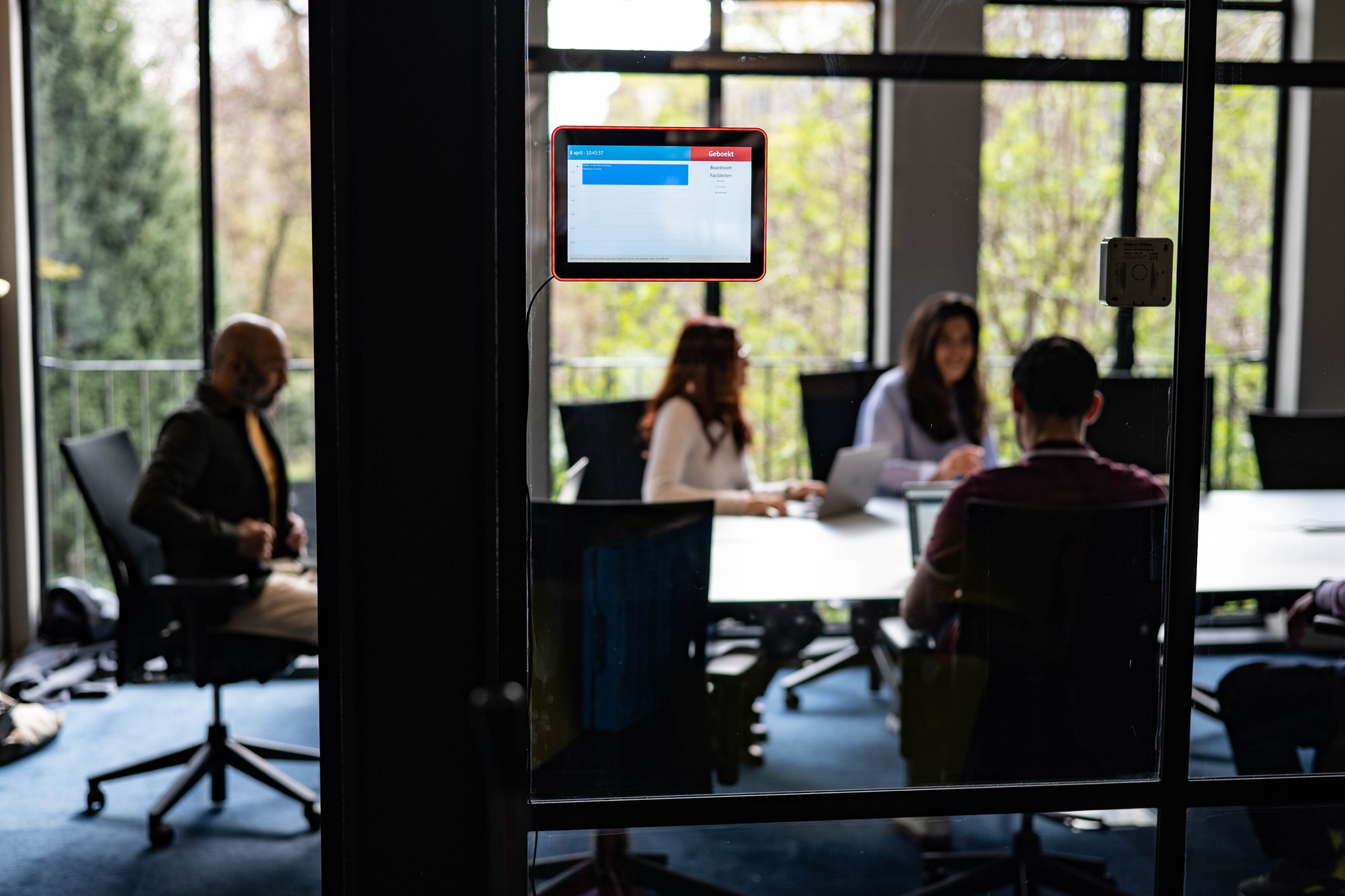
Featured caption: A modern workplace designed around measurement insights.
Workplace performance can be defined as the degree to which a physical work environment supports the activities, well-being, and productivity of its occupants. It encompasses multiple dimensions including space efficiency, environmental quality, technology integration, and user satisfaction.
Understanding these dimensions requires systematic measurement—not assumptions or anecdotal evidence. The data consistently shows that organizations investing in measurement achieve better outcomes across multiple performance indicators.
Conclusion
The evidence is clear: organizations that measure their workplace performance systematically make better decisions about their physical environments. This leads to improved space efficiency, better employee experiences, and stronger return on real estate investment.
As work patterns continue to evolve, the importance of ongoing measurement will only increase. Organizations that build measurement into their workplace strategy today will be best positioned to adapt to future changes in how and where people work.
What the data reveals
Analysis of aggregated measurement data reveals several consistent patterns across organizations and sectors. Average desk utilization in corporate environments sits at approximately 40-60%, suggesting significant potential for space optimization.
Meeting room utilization data tells a similar story, with many organizations seeing actual usage rates far below booking rates. The gap between booked and actual usage ranges from 20-40% in most organizations studied.
Environmental data shows strong correlations between workspace conditions (temperature, air quality, noise levels) and employee satisfaction scores. Organizations that actively monitor and optimize environmental conditions see measurably higher employee experience ratings.
Download the full workplace performance report
Get the complete analysis with detailed data, methodology, and recommendations.